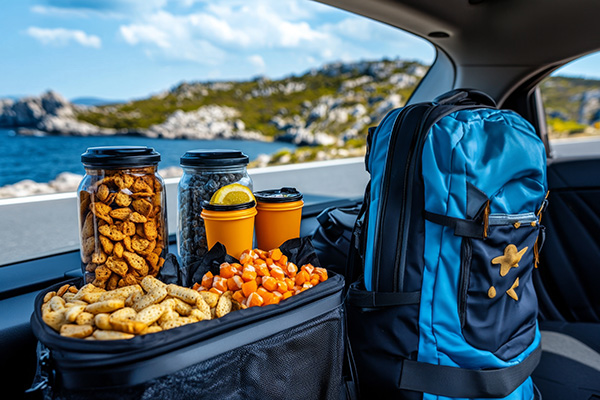
A parked car can become dangerously hot even when the outdoor temperature feels moderate. Sunlight enters through the glass and heats the seats, dashboard, console, and objects inside the cabin. With the windows closed, that heat remains trapped, and interior surfaces can reach temperatures far above the surrounding air.
High heat can damage everyday products, pressurized containers, electronics, and items containing liquids or batteries. Some may leak or become unusable. Others can rupture, release irritating chemicals, or create a fire risk. Removing heat-sensitive items before parking is the safest approach.
1. Aerosol Cans And Pressurized Containers
Aerosol cans contain product and propellant under pressure. As the container heats, the material inside expands and internal pressure rises. Deodorant, spray paint, sunscreen, cleaning products, air fresheners, and tire inflators should not remain in a hot passenger compartment.
A damaged or overheated can may leak around the valve, deform, or rupture. The contents can stain upholstery, irritate the eyes and lungs, or create flammable vapor depending on the product.
Store pressurized products according to the temperature limits printed on the label. Do not place them in direct sunlight, near a windshield, or inside a closed console where heat can build. If a can appears swollen, rusted, or damaged, do not use it.
2. Disposable Lighters
Disposable lighters hold flammable fuel inside a small plastic housing. Heat increases vapor pressure, while direct sunlight can weaken or deform the plastic. A lighter left on the dashboard, seat, or center console can leak fuel or rupture.
A leaking lighter can fill the cabin with a strong odor and create an ignition hazard. Electrical switches, static discharge, and open flames can ignite flammable vapor under the right conditions.
Remove lighters from the vehicle when parking. Do not store them beside matches, fuel containers, aerosol products, or other flammable materials. If the cabin smells like lighter fluid or gasoline, open the doors from a safe distance and allow the vehicle to ventilate before operating electrical controls.
3. Electronics And Battery-Powered Devices
Phones, tablets, laptops, cameras, portable chargers, and wireless headphones contain rechargeable lithium-ion batteries. Excessive heat accelerates battery deterioration and can damage internal separators, circuit boards, screens, and adhesives.
A device exposed to high cabin temperatures may shut down, display a temperature warning, lose battery capacity, swell, or develop a distorted case. A severely damaged battery can release hot gas or ignite.
Do not leave electronics charging inside a parked vehicle. Charging creates additional heat, especially when the device is resting on a seat or covered by clothing. If a battery appears swollen, cracked, unusually hot, or gives off a chemical odor, stop using the device and move away from it. Do not puncture or compress a swollen battery.
4. Plastic Bottles And Food Containers
Plastic water bottles and food containers can soften or deform when left against extremely hot surfaces. Thin containers may leak around the cap or split at a seam, allowing liquid to soak seats, carpet, electronics, and stored paperwork.
Carbonated drinks present another concern. Heat increases pressure inside a sealed bottle or can. The container may spray forcefully when opened, leak through a weak seal, or rupture if it is already damaged.
Food also spoils rapidly inside a hot vehicle. Dairy products, meat, prepared meals, and groceries requiring refrigeration can become unsafe long before the cabin cools. Transport cold food in an insulated cooler and take it inside immediately after reaching your destination.
5. Medication And Personal Care Products
Many medications must remain within a defined temperature range to preserve their stability and effectiveness. Tablets, inhalers, insulin, liquid medicines, test strips, and auto-injectors can be damaged by prolonged heat exposure.
Sunscreen, cosmetics, lip balm, lotions, and skin-care products may separate, melt, leak, or lose consistency. Containers can also expand and force product through caps or pump seals.
Keep medication with you rather than leaving it in the glove compartment or trunk. Follow the storage instructions provided by the manufacturer or pharmacist. When medication has been exposed to excessive heat, ask a pharmacist whether it should be replaced rather than assuming it remains effective.
6. Pens, Crayons, And Adhesive Products
Small stationery items can create extensive interior damage. Crayons, wax products, glue sticks, and certain adhesives soften quickly on hot seats or carpet. Melted wax can enter fabric fibers, stitching, vents, and trim seams.
Pens and markers may leak when heat expands the ink or increases pressure inside the barrel. Ink can permanently stain leather, cloth, plastic panels, and documents.
Keep art supplies, office products, and adhesive containers in a temperature-controlled area. If something melts inside the vehicle, avoid spreading it by wiping aggressively. The correct cleaning method depends on the material, upholstery type, and product involved.
7. Sealed Cans, Glass Containers, And Cleaning Chemicals
Sealed beverages, canned food, and glass containers can leak or break after extended heat exposure. A weakened can may bulge, while a tightly sealed glass bottle can crack from pressure or rapid temperature change.
Household cleaners, solvents, disinfectants, and automotive chemicals may expand, leak, or release fumes. Some products can damage carpet backing, interior coatings, electrical connectors, and plastic trim. Mixing leaked chemicals can create dangerous reactions.
Items that should not remain in a hot cabin include:
- Aerosol cleaners
- Fuel additives
- Brake fluid
- Paint and solvents
- Household bleach
- Pool chemicals
- Pressurized repair products
Transport chemicals upright in their original containers and remove them promptly. Never combine products or transfer them into unmarked bottles.
What To Do When Something Leaks Or Bursts
Do not enter the vehicle immediately when there is a strong chemical, fuel, or solvent odor. Open the doors from outside when it is safe, keep ignition sources away, and allow fresh air to move through the cabin.
Avoid starting the engine when a flammable liquid may have reached wiring, switches, or hot components. Wear suitable gloves when handling an unknown spill and follow the product label’s cleanup instructions. Professional cleaning or an inspection may be needed when liquid reaches electrical modules, seat wiring, carpet padding, or ventilation ducts.
Get Vehicle Interior And Electrical Service In Grand Rapids, MI, With Grand Rapids Motorcar
Grand Rapids Motorcar in Grand Rapids, MI, can inspect electrical components, switches, wiring, upholstery areas, and climate control systems affected by leaking or overheated products.
Contact us to schedule service when a spill, burst container, or damaged battery has affected your vehicle.