Posted on 9/25/2026
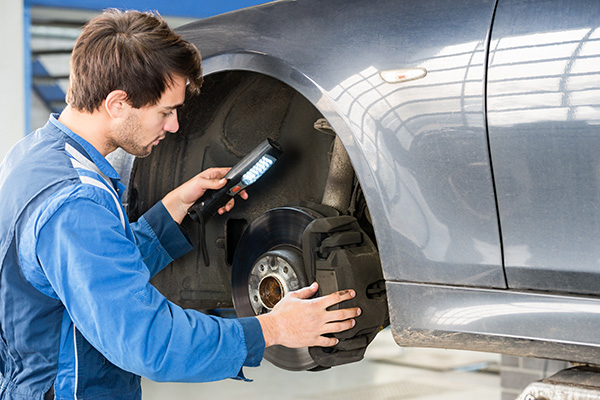
Michigan winters are rough on brake hardware. Snow and cold get most of the attention, but road salt, slush, moisture, and repeated freeze-thaw cycles do much of the long-term damage underneath the vehicle. Brake calipers and slide pins sit close to the road, so they are exposed to that mixture every time you drive. The first sign of trouble is not always a warning light or a loud noise. You may notice one wheel running hotter, a slight pull while braking, uneven pad wear, or a brake that seems to drag after you release the pedal. After several Grand Rapids winters, corrosion becomes one of the first things we look for. Road Salt and Moisture Attack Brake Hardware Brake calipers are built to tolerate harsh conditions, but years of road salt eventually take a toll. Salt holds moisture against metal surfaces, which speeds up corrosion around caliper brackets, slide pins, pad contact points, bleeder screws, and other exposed hardware. Rust doesn't have to be sever ... read more
Posted on 8/29/2026

A parked car can become dangerously hot even when the outdoor temperature feels moderate. Sunlight enters through the glass and heats the seats, dashboard, console, and objects inside the cabin. With the windows closed, that heat remains trapped, and interior surfaces can reach temperatures far above the surrounding air. High heat can damage everyday products, pressurized containers, electronics, and items containing liquids or batteries. Some may leak or become unusable. Others can rupture, release irritating chemicals, or create a fire risk. Removing heat-sensitive items before parking is the safest approach. 1. Aerosol Cans And Pressurized Containers Aerosol cans contain product and propellant under pressure. As the container heats, the material inside expands and internal pressure rises. Deodorant, spray paint, sunscreen, cleaning products, air fresheners, and tire inflators should not remain in a hot passenger compartment. A damaged or overheated can may leak ... read more
Posted on 7/31/2026
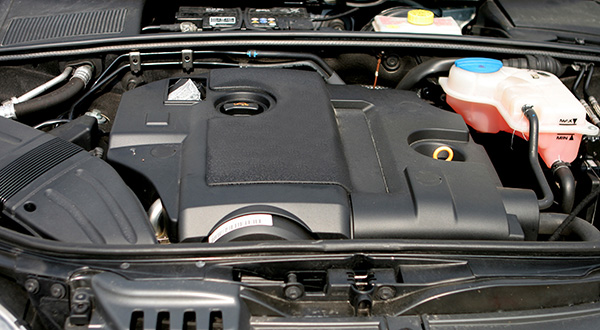
When an engine runs rough, burns oil, and loses compression, it is no longer a small comfort issue. Those symptoms usually mean the engine is having trouble sealing, breathing, firing, or controlling oil the way it should. The car may still drive, but it starts feeling weaker, dirtier, and less dependable. This kind of problem can sneak up slowly. First, the idle feels uneven. Then the oil level drops between services. Later, the exhaust smells different, the engine feels tired, or a compression test shows one cylinder is weaker than the rest. By that point, the concern is usually deeper than one worn spark plug. Why Compression Is So Important Compression is the pressure the engine builds inside each cylinder before the spark plug fires. The piston moves upward, the valves close, and the air-fuel mixture is squeezed tightly so it can burn with force. That controlled burn is what makes power. If a cylinder cannot hold compression, it cannot contribute properly. The ... read more
Posted on 6/26/2026

Kia vehicles can be dependable daily drivers, but they still need attention before small symptoms turn into bigger repair bills. A noise, a warning light, a rough start, a fluid leak, or a change in shifting can seem minor at first. The car still gets you to work, so it is easy to put off service for another week. That is where early repair makes the difference. A Kia mechanic who knows the brand can spot patterns, check the right systems, and help prevent a small problem from leaving your vehicle stuck. Early Service Helps Catch Engine Wear Engine problems rarely begin with the worst symptom first. A small oil leak, low oil level, ticking noise, rough idle, or check engine light can all point to a concern that needs attention. Some Kia engines are more sensitive to oil condition, oil level, and heat, so service delays can become costly. Oil changes, leak checks, filter replacement, spark plug service, and engine performance testing all help protect the engine as m ... read more
Posted on 5/29/2026

A Mercedes-Benz can feel quiet, confident, and composed even while wear is starting underneath. That polished feel is part of the appeal, but it can also make small problems easier to miss. A faint oil smell, slower start, new suspension noise, or small coolant loss should not be brushed aside. Long-term reliability comes from catching those changes early and servicing the vehicle with the right parts, fluids, and processes. These tips can help Mercedes-Benz owners protect the car before repairs become more expensive. 1. Stay Consistent With Oil Service Mercedes-Benz engines require clean oil that meets the specified requirements. Using the wrong oil or exceeding the service interval can cause wear in timing components, turbochargers, variable valve timing parts, and internal engine surfaces. Oil service should match the vehicle, not a generic schedule. Short trips, heat, traffic, and age can all make oil work harder. If the oil service reminder is on or the servic ... read more
Posted on 5/15/2026

BMW vehicles are built to feel sharp, controlled, and confident. That is why even a small change can stand out. A faint oil smell, a slight hesitation, a warning light, or a new front-end noise can tell you the car is no longer working the way it should. The good news is that many BMW repair problems give some clues before they become major. The key is knowing which symptoms deserve attention and not waiting until the car forces the issue. 1. Oil Leaks Around Gaskets And Housings Oil leaks are among the most common BMW repair concerns, especially as the vehicle ages. Valve cover gaskets, oil filter housing gaskets, oil pan gaskets, and related seals can all begin to leak. Drivers might notice oil spots, a burning smell, or engine residue. A small leak should still be checked. Oil can drip onto hot parts, collect dirt, damage rubber components, and lower the oil level over time. BMW engines depend on clean oil and a proper level, so ignoring a leak can lead to wear ... read more
Posted on 4/30/2026
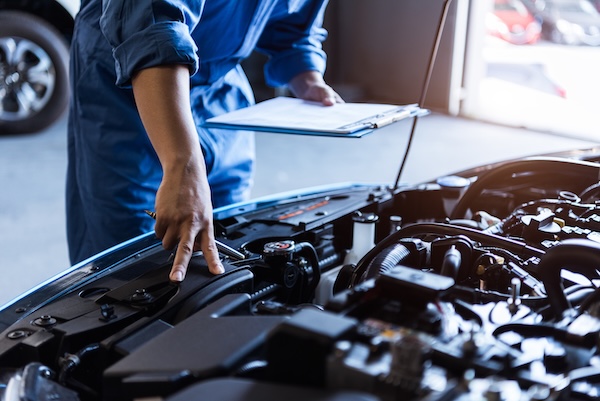
Most drivers think about auto repair only when something goes wrong. A noise appears, a warning light turns on, or the car starts driving differently. At that point, the focus shifts to fixing the issue as quickly as possible. Preventive maintenance changes that approach. Instead of reacting to problems, it helps reduce how often those problems show up in the first place. Understanding how both work together can make a big difference in long-term vehicle costs and reliability. Preventive Maintenance Helps You Stay Ahead of Problems Preventive maintenance is based on timing and condition rather than waiting for failure. Services like oil changes, fluid checks, and inspections are done before parts wear out completely. This approach helps catch early signs of wear that are easy to miss during normal driving. A small leak, a worn belt, or slightly low fluid may not cause immediate issues, but over time, they can lead to bigger repairs. Staying ahead of these details keeps the vehicle ... read more