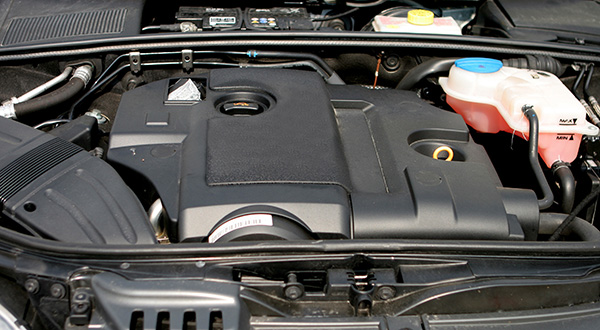
When an engine runs rough, burns oil, and loses compression, it is no longer a small comfort issue. Those symptoms usually mean the engine is having trouble sealing, breathing, firing, or controlling oil the way it should. The car may still drive, but it starts feeling weaker, dirtier, and less dependable.
This kind of problem can sneak up slowly. First, the idle feels uneven. Then the oil level drops between services. Later, the exhaust smells different, the engine feels tired, or a compression test shows one cylinder is weaker than the rest. By that point, the concern is usually deeper than one worn spark plug.
Why Compression Is So Important
Compression is the pressure the engine builds inside each cylinder before the spark plug fires. The piston moves upward, the valves close, and the air-fuel mixture is squeezed tightly so it can burn with force. That controlled burn is what makes power.
If a cylinder cannot hold compression, it cannot contribute properly. The engine may shake, lose power, idle poorly, or misfire. One weak cylinder can make the whole engine feel rough, especially at idle or under acceleration.
Low compression usually means pressure is escaping somewhere. It may leak past piston rings, valves, the head gasket, or damage inside the cylinder. Finding where the pressure is going is the key part of the inspection.
Worn Piston Rings Can Let Oil Into The Combustion Chamber
Piston rings seal the gap between the piston and cylinder wall. They help hold compression above the piston and control oil below it. When rings wear, stick, or get damaged, the engine can lose compression and start burning oil.
Oil burning from ring problems can appear as blue-gray smoke, increased oil consumption, fouled spark plugs, rough running, or lower power. Sometimes the smoke is most noticeable during acceleration. Other times, the only clue is that the oil level keeps dropping with no obvious leak.
Ring wear can result from high mileage, poor maintenance history, overheating, carbon buildup, or long oil change intervals. Once rings stop sealing well, the repair can become more involved because the problem is inside the engine.
Valve Problems Can Make One Cylinder Weak
The intake and exhaust valves have to open and close at the right time, then seal tightly when the cylinder builds compression. If a valve is burned, bent, carbon-coated, sticking, or not seating correctly, compression can leak into the intake or exhaust instead of staying in the cylinder.
A valve issue may cause a steady misfire on one cylinder. The engine may shake at idle but feel slightly better at higher RPM. In some cases, the exhaust note sounds uneven, as if one cylinder isn't keeping up with the others.
Valve problems can be caused by heat, timing issues, carbon buildup, lack of adjustment on engines that require it, or mechanical wear. A leak-down test can help show whether compression is escaping through the valves.
A Head Gasket Leak Can Connect Problems Together
A head gasket seals the space between the engine block and cylinder head. It keeps compression, coolant, and oil in their proper places. When a head gasket starts failing, symptoms can overlap in confusing ways.
The engine may run rough at startup, lose coolant, overheat, push bubbles into the cooling system, contaminate oil, or lose compression between cylinders. Some head gasket problems are obvious. Others are subtle and only show up under pressure or after the engine warms up.
Driving with a suspected head gasket problem can make things worse. Overheating can warp metal surfaces, damage seals, and turn a repairable issue into a much larger engine job.
PCV Problems Can Make Oil Burning Worse
The PCV system controls crankcase pressure and routes vapors back into the intake to be burned. When the PCV valve or related parts fail, pressure can build inside the engine or oil can be pulled into the intake.
A bad PCV system can cause oil consumption, rough idle, oil leaks, whistling noises, smoke, or sludge buildup. It can also make another oil-burning issue look worse than it really is.
PCV problems are sometimes overlooked because the part may not look exciting or expensive. Still, crankcase pressure directly affects oil control. Before assuming the engine needs major internal work, the PCV system should be checked.
Spark Plugs Can Show What The Engine Is Doing
Spark plugs are useful because they sit directly in the combustion chamber. When removed, they can show signs of oil burning, coolant contamination, carbon buildup, overheating, or fuel problems.
An oil-fouled plug may be wet, dark, and crusted with deposits. A coolant-contaminated plug may look unusually clean compared to the others. A plug from a weak cylinder may show a different pattern than the rest of the engine.
These clues do not replace testing, but they help tell the story. Compression testing, leak-down testing, bore inspection, fluid checks, and scan data all help confirm what the plugs suggest.
Clues That The Problem Is More Than Basic Maintenance
Some symptoms point to deeper engine trouble rather than a simple tune-up.
- The oil level keeps dropping between oil changes even though there is no large external leak, which can mean the engine is burning oil internally or pulling it through the intake.
- One cylinder keeps setting a misfire code after coils and plugs have already been checked, which can point toward compression, valves, fuel delivery, or mechanical wear.
- Blue-gray smoke appears from the exhaust, especially after idling, starting, or accelerating, which usually indicates oil entering the combustion process.
- A compression test shows that one or more cylinders are low, indicating the engine cannot seal the pressure correctly.
- The engine feels rough and weak at the same time, which often means the issue is affecting actual cylinder output, not just comfort.
These signs deserve a careful diagnostic process. Replacing easy parts without confirming the cause can waste time and leave the real problem untouched.
Why Oil Changes Still Play A Big Role
Oil protects rings, bearings, timing components, valve train parts, and cylinder surfaces. When oil gets old, dirty, low, or sludged, it cannot protect those parts as well. Over time, poor oil condition can contribute to ring sticking, wear, chain wear, and oil control problems.
Regular maintenance will not reverse serious internal wear, but it can slow the damage that leads to it. Using the correct oil and changing it on schedule are among the simplest ways to protect the compression and reduce oil-related engine problems.
Get Engine Diagnostics In Grand Rapids, MI, With Grand Rapids Motorcar
If your engine runs rough, burns oil, loses compression, smokes, misfires, or feels weaker than it used to, Grand Rapids Motorcar in Grand Rapids, MI, can test the engine and explain what is causing the problem.
To diagnose engine issues before internal damage worsens, contact us to schedule an appointment.